Access all areas: new resources to make the GBO an even more accessible tool
The GBO is one of the most widely used tools across children and adult services in the UK and around the globe. Its popularity is due, in part, to its simple and accessible format. However, no tool is accessible to everyone by default, so we wanted to share some updates on new developments and newly available resources that are helping more people use the GBO in ways that work for them.
Many of you, who routinely work with goals and use the GBO, will know that it is designed to be simple, and flexible. It doesn’t rely on lots of forms or questionnaires; it is designed to be delivered in a conversational style. It can help people be more engaged in their therapy, build a better therapeutic relationship and, of course, it can also be used as an outcome measure! Even so, accessibility depends on how a tool is introduced, adapted and used alongside each person’s communication preferences, strengths, needs and context.
The large and growing community of GBO users and supporters are continuing to make the tool even more accessible. Here is an update on some of the exciting new developments:
The GBO-A resources
Colleagues in Sheffield have developed an adapted version of the original GBO. It is designed particularly for people who may benefit from additional communication support, cognitive accessibility adaptations or more visually accessible materials. The GBO-A offers a briefer scale (0 to 5) presented in three different formats to be more visually accessible (see fig 1. Below). It was developed by speech and language therapist, Eve Shulyak, supported by consultant clinical psychologist David Newman, and clinical outcomes lead, Alix Smith. Most importantly it was co-designed by people with lived experience. For more information and to access the GBO-A scales click here.
Across these resources, a common message is that accessibility is not only about the format of a scale. It is also about how practitioners introduce goal setting, check understanding, offer choices, work with supporters where appropriate and revisit goals in ways that are meaningful to the person being supported.
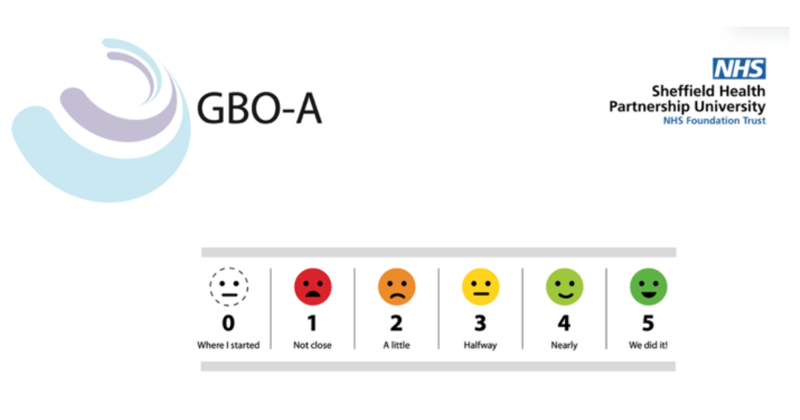
Fig 1. Detail from one of the GBO-A scales
aGBO Project
The GBO-A resources extend and support the co-produced resources of the accessible Goal Based Outcomes (aGBO) project. This built on previous work (see blog here) and aims to help children and adults who may benefit from additional communication support, cognitive accessibility adaptations or more visually accessible materials to set more meaningful goals. The aGBO project guidance and tips on working with goals, communication model, and illustrative examples to make the GBO more accessible are available here. The project was led by Ro Rossiter, including people with lived experience and multidisciplinary health and research colleagues from South and West of England and South Wales contributed.
New Translations
To make the GBO more accessible to people whose first language is not English, a growing network of volunteers are translating the GBO. It is currently available in 14 different languages with six more in the pipeline. All translations are available here.
Lived experience voices
Finally, colleagues in Nova Scotia, Canada, in collaboration with some UK based clinicians and academics, including CORC’s very own Jenna Jacob, have been working with people with lived experience to co-produce best practice guidance for working with goals and the GBO. The aim is to help practitioners make working with goals more accessible and acceptable to the people we work with. A paper is in production, and the guidance will be shared in a future CORC newsletter and on the ‘working-with-goals’ website once it’s published.
Get involved
If you want to join the community of practice around working with goals and the GBO please contact via this link. Similarly, if you are multilingual and would like to support translation or cultural adaptation of the GBO, get in touch via the same link.
Please get in touch on the above link too if you would like to be involved in the exploration of the psychometric properties of the GBO-A scales.
Our aim is for the GBO is freely available and as accessible in all areas, to everyone who could benefit from it.
Professor Duncan Law
A note from NHSE
NHSE welcome GBO-A as an important and positive development in making outcome measurement more accessible. However, as its psychometric properties have not yet been fully tested, GBO-A scores should be interpreted with caution and should not currently be submitted to the MHSDS under the existing generic GBO SNOMED CT codes. We would support GBO-A being added as a separate measure in future, with its own coding, to allow appropriate analysis and reporting.